Monday, March 25, 2013

How the New Deal Affected People's of Color


http://goo.gl/oJjhC 


Why did Pedro Gonzales became a Mexican-American hero?
   - Pedro J. Gonzales became a Mexican-American hero because he spoke and condemned against discrimination and racism to the Mexicans through the radio by being a disc jockey.
http://goo.gl/KkQIV


Why was Frances Perkins a hero for women?
   - Frances Perkins became a hero for women because she's America's first female cabinet member.

What was the "Black Cabinet" and who was the leader?
   - a group of influential African American advisers that was organized by Mary McLeod Bethune to advise the Roosevelt administration on racial issues.

Friday, March 22, 2013

TGD - Programs of the New Deal


http://goo.gl/lcaJi 
1. What was THE major difference between Hoover and Roosevelt?
   - Roosevelt was a proactive president, he helped the people by making new jobs, while Hoover did not like federal welfare and gave money to the big corporations instead of giving money to the poor.

2. Which New Deal program was most responsible for creating the most jobs and how did the program achieve this?
   - The Works Progress Association was responsible for creating public work as fast as possible. The program spent $11 billion to create jobs for 8 million workers. They made airports, roads and streets, and many public buildings.


http://goo.gl/Tjpm0 Social Security Card, 1935
3.What impact did the Social Security Act have on Americans?
   - Since 1935, the Social Security Act have been insurance for the retirees and the unemployed. It also aided the disabled people and families with dependent children.


4. Why was Huey Long against TND?
   - Huey Long thought that the New deal was inadequate.


Wednesday, March 20, 2013

TGD - FDR & The New Deal

Who was Franklin Delano Roosevelt?
   - FDR was the first and only president who had a disability, he could not walk because he had polio, causing him to lose all movements on his legs. He was also elected four times and served over 12 years.

Who were FDR's carefully picked advisers and why were they important to the president?
   - FDR carefully picked professors, lawyers and journalists to be his advisers and were known as the "Brain Trust" to come up with a new set of policies for his presidency and to solve the Great Depression.

What was the New Deal?
   - It is a program to solve the problems of the Great Depression.

What three goals did the New Deal attempt to adress?
   - relief for the needy - solve hunger
   - economic recovery - for people to have jobs
   - financial - banks not to close down

What was the first action FDR took as president?
   - he closed all the banks by declaring a bank holiday and insoected the banks and if the bank was okay, it could reopen at once.

Monday, March 18, 2013

The Great Depression - President Hoover's Handling of the Crisis


http://goo.gl/x5c7W Pres. Hoover
 Herbert Hoover, a Republican president at the beginning of the Great Depression, was ineffective in his response because he made many of the Americans really mad. Farmers burned their crops instead of selling it to people at a very low price, they also dumped their milk on the highways. Some farmers declared a "farmer's holiday" on which they stopped working, and also blocked roads to prevent food to the market. Hoover did not like the government to give things to the people because he refused to support direct relief or forms of federal welfare. The Bonus Army was made up of World War I veterans and their families to get their money, but then Hoover tear-gassed the people, including children, and made a bad impression of him.

Friday, March 15, 2013

The Great Depression - Hardships & Suffering

Describe the Dust Ball; what caused it?
   -

Describe how The Great Depression affected the (a)children, (b)families, (c)women, (d)men and (e)people of colors.
   -Children were malnourished because they did not have enough to eat and were getting sick because of lack of health care. Some kids could not go to school because many schools shut down, and most of the kids needed to work.
   -Families struggled to make ends meet.
   -Women had to work hard for their family, even though they were payed less.
   -Men felt useless because they could not support their family. Some left home to be hoboes.
   -People of colors dealt with increasing racism from whites that were competing for the same jobs.

Who were "hoboes" and how did they travel?
   -They were unemployed men traveling through hitching on railroad boxcars who were looking for jobs.

What was an enduring effect on people because of The Great Depression?
   - People learned how to save because they did not want to be poor ever again.

Tuesday, March 12, 2013

The Great Depression


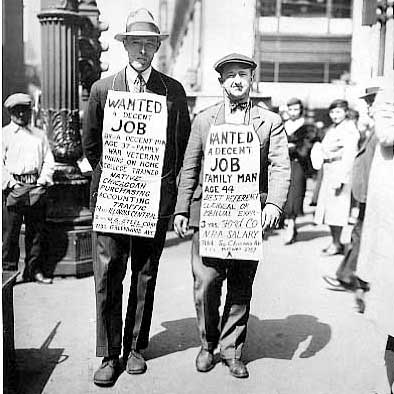
http://goo.gl/g6GQp Men looking for jobs.

1. 94% of Americans made how much in one year?
     - they made less than $5,000 a year.

2. Why is Wall Street important to American business?
     - because large companies trade stocks on the New York Stock Exchange in Wall Street.

3. If the stock market crash DID NOT cause the Great Depression, what did?
    - tariffs and war debt policies cut down the foreign markets for American goods, the crisis in the farm sector, the availability of easy credit, and the unequal distribution of income helped cause the Great Depression.

4. What of what you read is similar to what is happening in the Great Recession?
    -

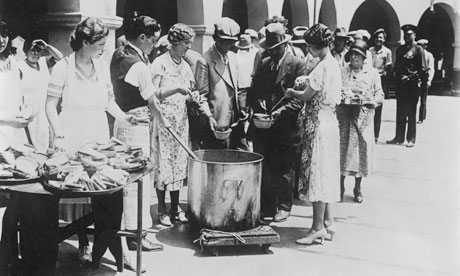
http://goo.gl/E41YX Bread and soup line in L.A
during the Great Depression

Monday, March 4, 2013

Life in the 1920's Changed


http://goo.gl/W21az Supporters of Prohibition
 1. What was Prohibition?
 - It was the 18th Ammendment which banned the manufacture, sale and transportation of alcohol.

2. What groups were responsible for the idea of prohibition?
 - Social Reformers were responsible for banning alcohol.

3. What were their reasons?
 - Reformers considered liquor to be the cause of corruption.

http://goo.gl/5Xs0m Anti-Prohibiton
4. How did people get illegal alcohol?
 - Drinkers went to secret saloons and nightclubs which are called speakeasies which can be found everywhere in the city. Some people bought liquor smuggled from Canada, Cuba and the West Indies from bootleggers.

5. In your opinion, was Prohibition a good or bad idea, and why?
 - I think Prohibition was a good idea, because it will lessen the crime rate, like less people fighting in bars, clubs etc. and no more drunk driving resulting to less accidents on the road.

Monday, February 25, 2013

New Technology & the 1920's


http://goo.gl/JndS1 Automobile in the 1920s
 1. How did the invention of the automobile affect America? 
  - Automobiles changed the houses of Americans by adding garages and having smaller lawns. New businesses like, car shops, motels, and gas stations.

2. What's urban sprawl and what caused it?
   - Its when cities grew larger because of the automobiles.


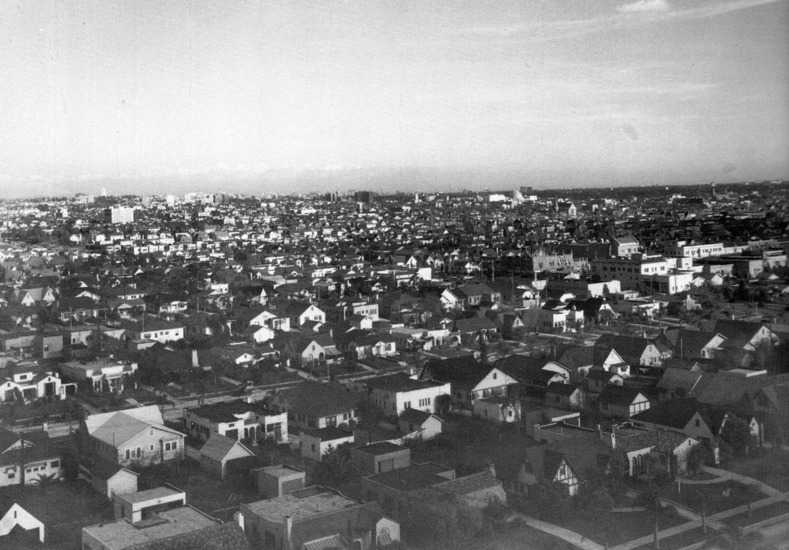
http://goo.gl/QPIY2 Urban Sprawl, caused by the invention
of the automobile.


3. What was the first use of airplanes NOT during war?
    - Airplanes were used for mail delivery.

Teapot Dome Scandal

Teapot Dome Scandal by Hanica Tijidor on GoAnimate

Animated Presentations - Powered by GoAnimate.

Union Membership Plummet in the 1920's

Union Membership Plummet in the 1920's by Hanica Tijidor on GoAnimate

Animation Software - Powered by GoAnimate.

Tuesday, February 12, 2013

Post WWI United States

Describe the feeling many Americans had after WWI.
- Americans were exhausted and tired of the war and all of the changes that were happening like the unemployment of returning soldiers, farmers and factory workers.

What were some reactions by Americans to their post WWI feelings?
- Americans reacted by fearing the outsiders, and the prejudice against the foreign born-people grew over the nation. Also, isolationism, which is a belief to not be involved in world affairs, was believed by most Americans.

What did the Palmer raids accomplish? Why did Palmer do the raids?

http://goo.gl/dNNkZ Ku Klux Klan

- The Palmer Raids hunted down anarchists, communists and socialists who opposed the government and were put in jail and deported without trials because they were against the capitalist system.

What did the KKK fear? Did their membership grow in the 1920's?
- The KKK were afraid that immigrants from Europe will outnumber them and they were against Jews and Catholics and they thought that they will take over their culture and religion. The KKK's membership grew in the 1920's because they want more power, after the blacks were freed from slavery.


http://goo.gl/Pi5Z8 Quota System
Political Cartoon

What was the quota system?
- The quota system was a law that established the maximum number of immigrants who could enter the U.S. from each foreign country.

 Was the quota system discriminatory? If yes, to whom?
- Yes, the quota system was discriminatory for the people from the Eastern and Southern Europe, especially the Jews and the Catholics.

How was Mexico affected by the quota system?
- During the 1920's about 500,000 Mexicans crossed the nations border.

How was Japan affected by the quota system?
- The law prohibited Japanese immigration to the U.S.

Monday, February 11, 2013

Progressives Exam Reflection


http://goo.gl/wqOXE New York Subway
19th Century


___ 2. Cities in the late 19th century expanded with the development of all the following except
             A. subways
             B. skycrapers
             C. airplanes
             D. suspension bridges


Number 2 is the only question I missed on the quiz, I put letter D. suspension bridges though the correct answer is letter C. airplanes. I got this question wrong because, to be honest I just randomly picked a letter just not to leave it blank and because I did not have the knowledge to answer it, although I understood the question.

http://goo.gl/APBmB 
As a test taker I think I always do good and I usually miss a few questions which leads to decent score, but in this case I only missed one question because I did not have the knowledge to answer it, well maybe I did, but I guess I forgot. So next time I have to study a little bit better to improve my test scores.

Tuesday, February 5, 2013

Treatment of Peoples of Color


http://goo.gl/qLwyK Mexicans constructing railroads.
  Essential Questions:


1. How did Mexicans earn a living in the late 1800's and where did they do this work?

    - Many Mexicans earned a living by working at the railroads to construct rail lines in the Southwest. They worked hard jobs in the hot dry climate in the region, and they work for less money.


http://goo.gl/GJmU6 Segragated schools


2. Describe African-American life in the 1900's? (where did the move to; what was their experience; etc.)


     - By 1900's African-Americans moved to Northern cities, searching for better jobs and social equality. Although they found out that there is also racial discrimination in the North and was forced to live in segrated neighborhoods.


Monday, February 4, 2013

Recreation in the United States


http://goo.gl/0rQst Amusement Parks in the 1880's

When and why did Americans began to recreate?

- Americans started recreating during the 1880's because they want to have their free time to have fun and relax to escape from their hard work. People usually go to amusement parks and played sports to recreate.


Were the reasons Americans began to recreate the same or different compared to Americans today?

- Yes, Americans recreate to have fun and relax from their hardwork and stress until today.
http://goo.gl/FnUi2 Bicycle Club 1880s

Friday, February 1, 2013

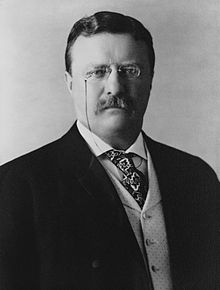
Teddy Roosevelt's Presidency

http://goo.gl/vLCL1 Theodore Roosevelt

Describe Teddy Roosevelt's life before he became president

(where he was from, date he was born, something interesting about his life)

- October 27, 1858 – January 6, 1919
- born into a wealthy family in New York City
- he was a sickly child from asthma and was home schooled.
- he went to Harvard University.
- he was a naturalist, explorer, hunter, author, and soldier

How did he become president?

- In 1900, Teddy was nominated as the Viice-President, and a year later, President William McKinley was assasinated, Roosevelt was appointed on place of McKinley.


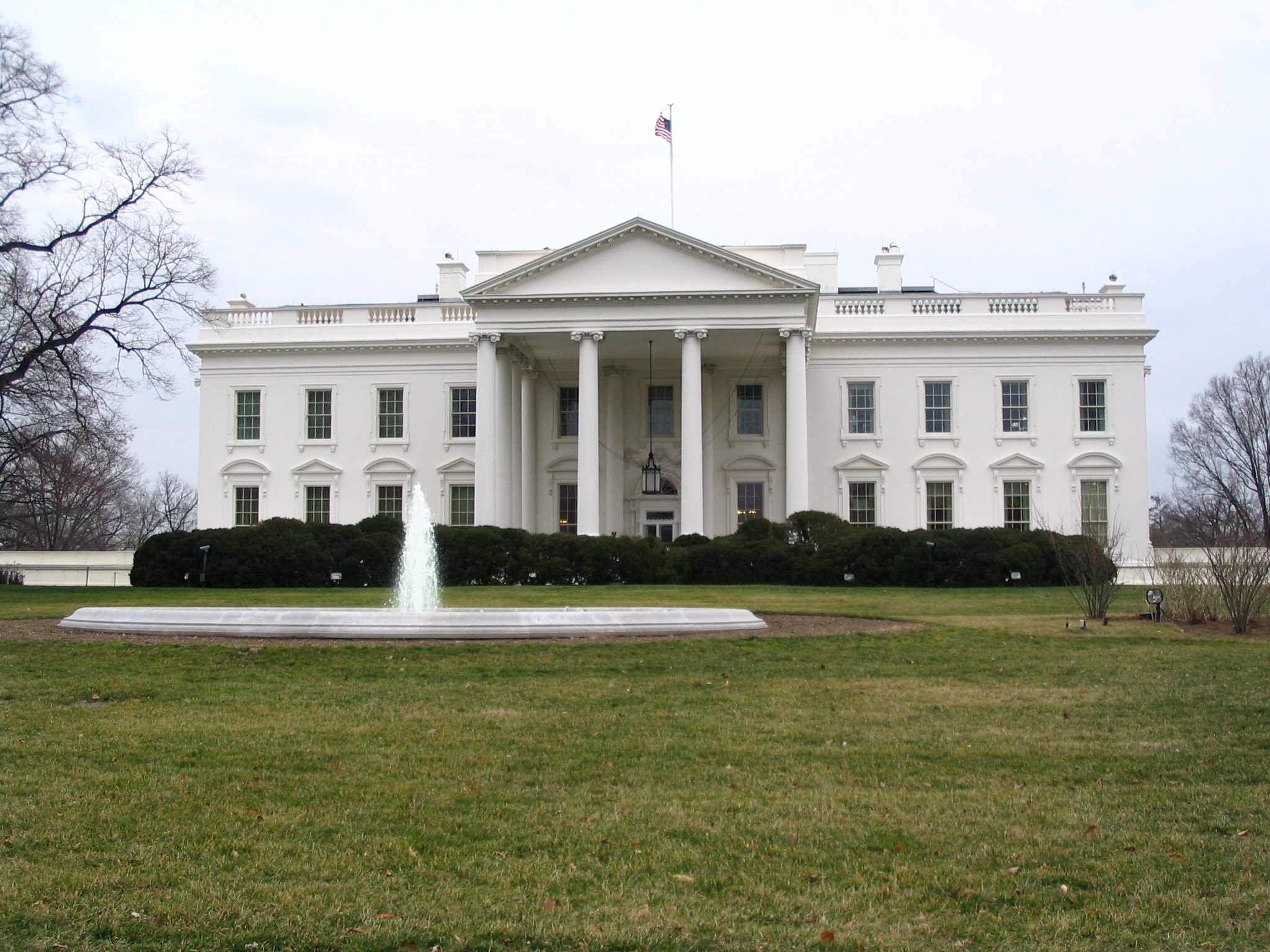
http://goo.gl/cnEvr White House
What was T.R.'s "Bully Pulpit"?
- Teddy Roosevelt referred to the White House as a "Bully Pulpit" and it provides the President with an opportunity to speak out and people can listen through the media.

Summarize T.R.'s opinion on civil rights?
- He believed that whites and blacks should not be equal.

Explain if you would like T.R. if he were president today?
- No, I would not have liked him because he did not support the African Americans.

Thursday, January 31, 2013

Booker T. Washington

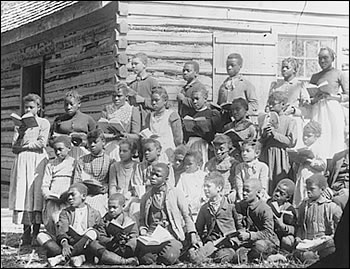
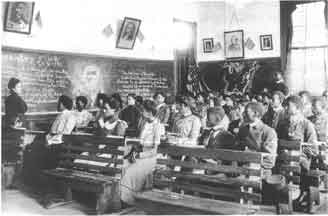
http://goo.gl/SWM5a Tuskegee Institute classroom
Essential Questions:

1. What was the name of the school that Booker T. Washington started?

- Tuskegee Institute

2. Whom did Booker T. Washington recruit to head the agriculture department at Tuskegee Institute?

- George Washington Carver

http://goo.gl/kBssU Up From Slavery
3. Booker T. Washington's autobiography is entitled:

- Up from Slavery

4. What president did Booker T. Washington dine with?

- Teddy Roosevelt

5. With whom did Booker T. Washington often come into conflict?

- W.E.B. Du Bois

Wednesday, January 30, 2013

African-Americans after Reconstruction

How is racism today different than racism practiced immediately after Reconstruction?

- Racism today is more hidden than the racism practiced after the Reconstruction because before, the Southern States had made a broad system of legal policies of racial discrimination that limited the African-Americans' political power. The Southern States required registration and a literacy test to vote which is obviously unfair to the blacks because most of them cant read or write. The African-Americans and the Whites were segregated in public facilities like schools, theaters, restroom, etc.

Monday, January 28, 2013

Mid-Term Exam Reflection

Out of 25 questions on the Mid-Term Exam, I got 24 correct answers. The only question that I missed is number 10 because I did not carefully read the question and all the choices carefully, and because I was too quick to answer the question. As a test taker, I think I always do a good job, though I sometimes miss some questions. Next time, I would take my time and read the questions carefully and bubble in the right answers.

Wednesday, January 23, 2013

1. Which country's interest did the Open Door Policy in China favor?
- The United States

2. What were the reasons behind the Boxer Rebellion?
- The Chinese Boxers did not like all the foreign troops coming into their country.

3. List three causes of World War I?
- Nationalism, Imperialism, Militarism & forming of Alliances.

4. How did the U.S. deal with German U-boats?
- The U.S. ships sail in groups guarded by military vessels.

5. What was the Selective Service Act used for?
- It required men to register with the government to be randomly selected for military services.

6. What new weapons did WWI introduce?
- Some new weapons were the tanks and the airplanes.

7. How did the Espionage and Sedition Act affect Freedom of Speech and Labor Unions?
- It took away the ability of the people to speak out and the Espionage and Sedition Act accused the IWW of sabotaging the war effort

8. Why was there opposition to President Wilson's League of Nations?
-

Tuesday, January 22, 2013

American Imperialism after Spanish-American War

How did the U.S. change Cuba's Constitution?
- The U.S. made Cuba to add the Platt Amendment to their Constitution.

What did the Roosevelt Corollary build on?
- The Roosevelt Corollary was an additional statement from the Monroe Doctrine.

Pancho Villa was pursued by whom?
- Villa was pursued by an army of 15,000 soldiers led by John J. Pershing.

How did the U.S. get the land for the Panama Canal?
- The U.S. got the land by causing a rebellion that declared independence from Colombia. Then the U.S. rented the land from Panama.

What is meant by "speak softly and carry a big stick?
- It means their negotiations are always backed up by the threat of a military force.